
Start with a simple entrance inventory
Walk through the home and identify the exterior entrances included in your access plan. Note which ones currently share a key, which have separate locks, and whether any are managed by someone else. This small preparation step makes it easier to discuss a complete rekey request without overlooking a less-used entrance.
If you rent, check the owner or manager's requirements before arranging changes. A private front door and a shared building entrance may have different responsibilities. Make sure the person approving the work understands which locks will change and who needs continued access, particularly when several occupants have different schedules or use different doors.
Rekeying keeps suitable hardware in place
Rekeying changes a compatible lock's internal arrangement so a different key operates it. The handle and other usable hardware can remain. It may suit a move, a missing key, or a change in authorized occupants when the lock works well and you simply want earlier keys to stop working.
That choice depends on the hardware actually installed. Ask whether the locks can share the key arrangement you want and whether any component has a separate fault. A worn latch, loose handle, or damaged cylinder may require repair or replacement in addition to changing access. The estimate should distinguish those purposes so you can assess each part of the work.
Describe West Covina precisely
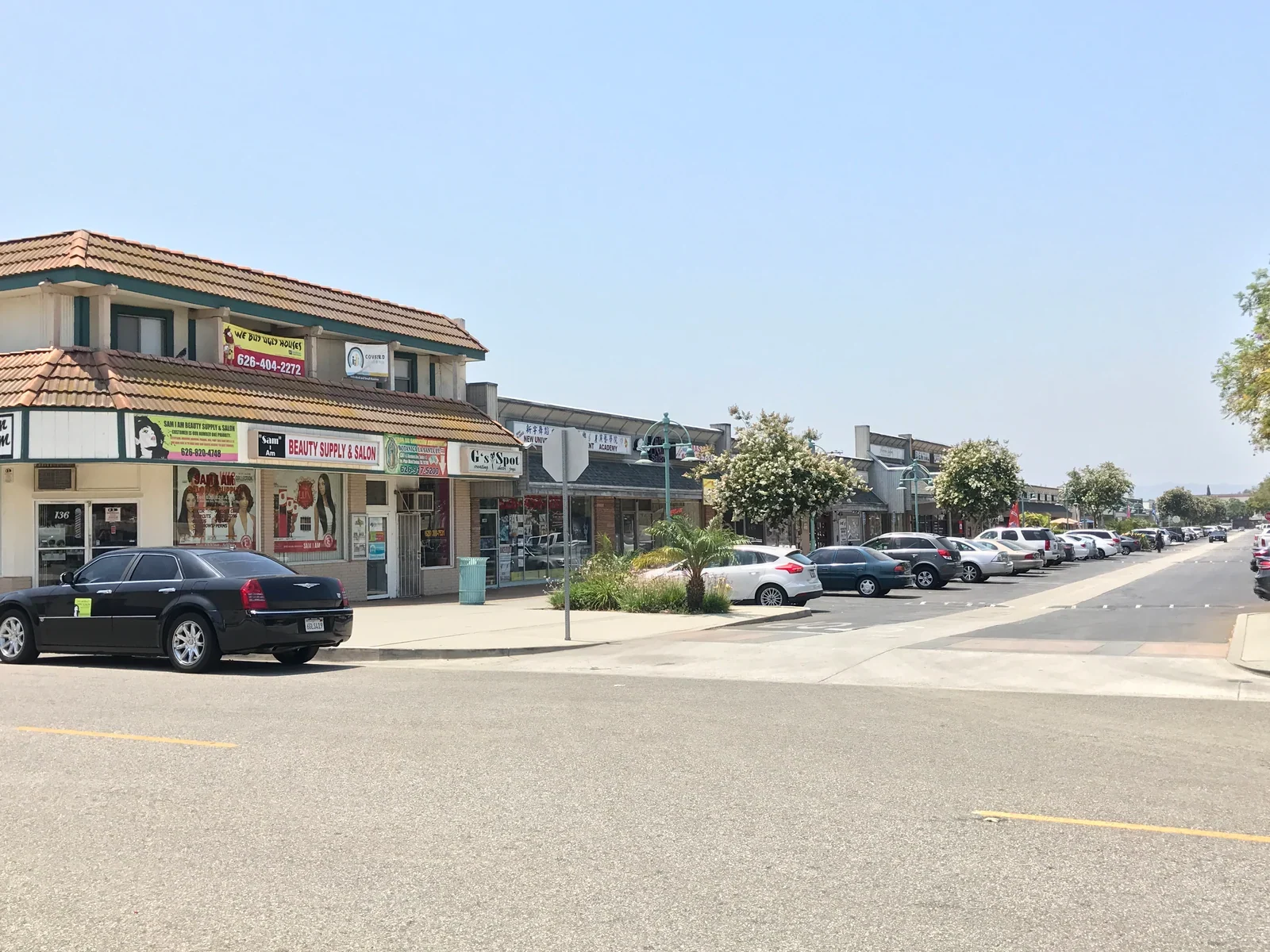
City material places South Hills at West Covina's eastern end. If that's your area, the neighborhood name can help orient the conversation, but the full address and entrance still matter. West Covina and Covina are separate cities, so say West Covina clearly when giving your location and verify that the address has been understood.
Include any unit, building, or property-specific access instructions. If a gate or shared entry applies to your property, explain how an authorized person will meet the technician. Don't assume a neighborhood name establishes those arrangements. Confirm the available service and estimated timing for your actual address when you call.
A new key won't fix a door that binds
Notice whether the key turns easily with the door open but resists when closed. If it does, mention that before requesting a rekey. The relationship between the bolt and the frame may need attention. A full inspection is needed because the same general symptom can come from more than one fault.
Also report whether the handle is loose or the latch remains partly extended. Avoid forcing the key while trying to demonstrate the issue. The residential locksmith service page explains how condition checks and access changes fit together, so you can ask for work that addresses both concerns when necessary.
Keep urgent access separate from later decisions
If you're locked out during the move, begin with that immediate problem. Explain whether the key is inside, missing, or failing to operate the lock, and have evidence of authorized access available. Ask what opening method is proposed and what the initial estimate includes. Any expected effect on the existing hardware should be explained.
Once the door is open, you can consider the longer-term key arrangement with a clearer view of the property. Ask for an entrance-by-entrance scope rather than a vague instruction to change all the locks. At completion, check the new keys yourself and confirm which previous keys should no longer operate each serviced lock.