
Different homes, individual hardware
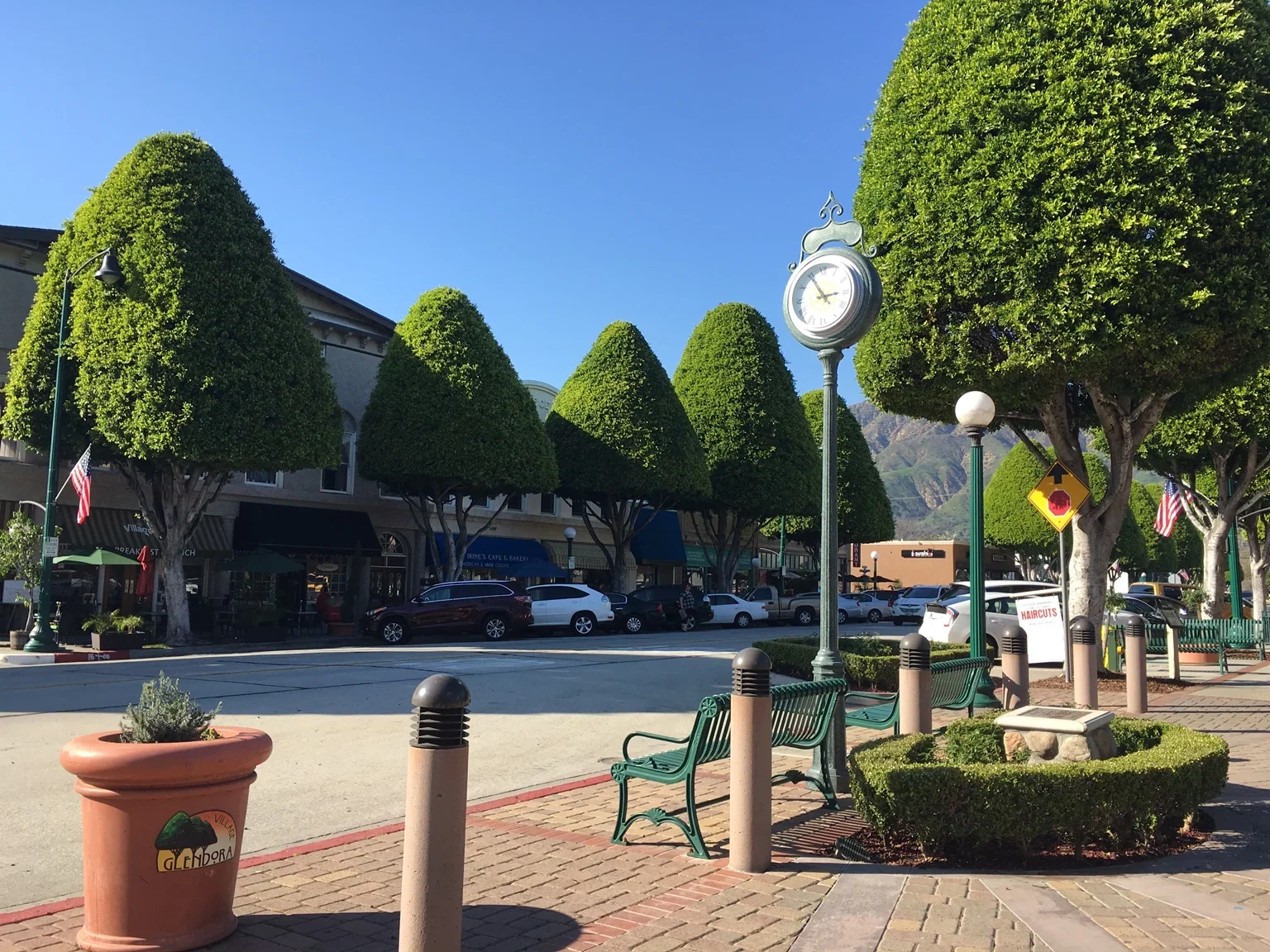
Glendora's historic preservation material describes residential development near the Village as well as the city's later growth. A bungalow near the Village and a home in a later subdivision can call for different conversations about appearance and fit. Neither address nor construction date tells you whether the lock currently installed can be rekeyed.
Start with the existing handle, deadbolt, and door condition. If you want to retain a particular finish or avoid altering visible hardware, say so before a replacement is discussed. The options should follow an inspection of the actual components, including any previous modifications, rather than an assumption about what homes in the neighborhood normally use.
Changing keys after a move
A move often creates uncertainty about old keys without creating a problem with the lock itself. Rekeying may address that concern by changing which key operates compatible hardware. It leaves the usable lock in place. Ask which entrances are included and whether the agreed work will make the previous keys ineffective at each of them.
Check the side entrance and any other regularly used exterior door, not just the front deadbolt. If different locks already use different keys, mention that. A shared key arrangement may be possible for compatible hardware, but it should be checked rather than promised from the appearance or brand of a single lock.
Notice when the resistance happens
A lock that works smoothly with the door open and catches when closed gives useful information about the entrance. A latch or bolt may be pressing against the frame, although an inspection is still needed to establish the fault. Tell the locksmith whether you have to pull or lift the door to make it lock.
If the key resists even when the door is open, describe that too. Don't force it or repeatedly test a key that appears damaged. The practical question is what needs correction: the key, the cylinder it enters, the latch, or the door's fit. A clear explanation should connect the proposed repair to the symptom you reported.
An unexpected lockout needs a focused conversation
When you're outside, begin with the exact Glendora address and the entrance involved. Explain whether the key is inside, missing, or unable to operate the lock. If someone else has a working key and can arrive, that may affect what you decide to arrange. Confirm availability and an estimated arrival directly during the call.
Ask what the initial estimate covers and whether the proposed opening could affect the lock. If a different method or replacement becomes necessary after inspection, ask to understand the change before authorizing it. An opening request doesn't need to become an unexplained decision about replacing all of your home hardware.
Keep the plan easy to use afterward
A repaired entrance should suit the people who use it. Mention a handle that is difficult to grip, a deadbolt that is awkward to turn, or confusion over which key opens which door. These concerns help frame the discussion, even when the immediate job is simply changing access after a move.
The home locksmith service information explains the main repair and rekey choices. At completion, check the serviced entrance from both sides as appropriate and ask how the agreed keys should be used. Keep a record of the work so a later question about a particular lock doesn't depend on memory.