
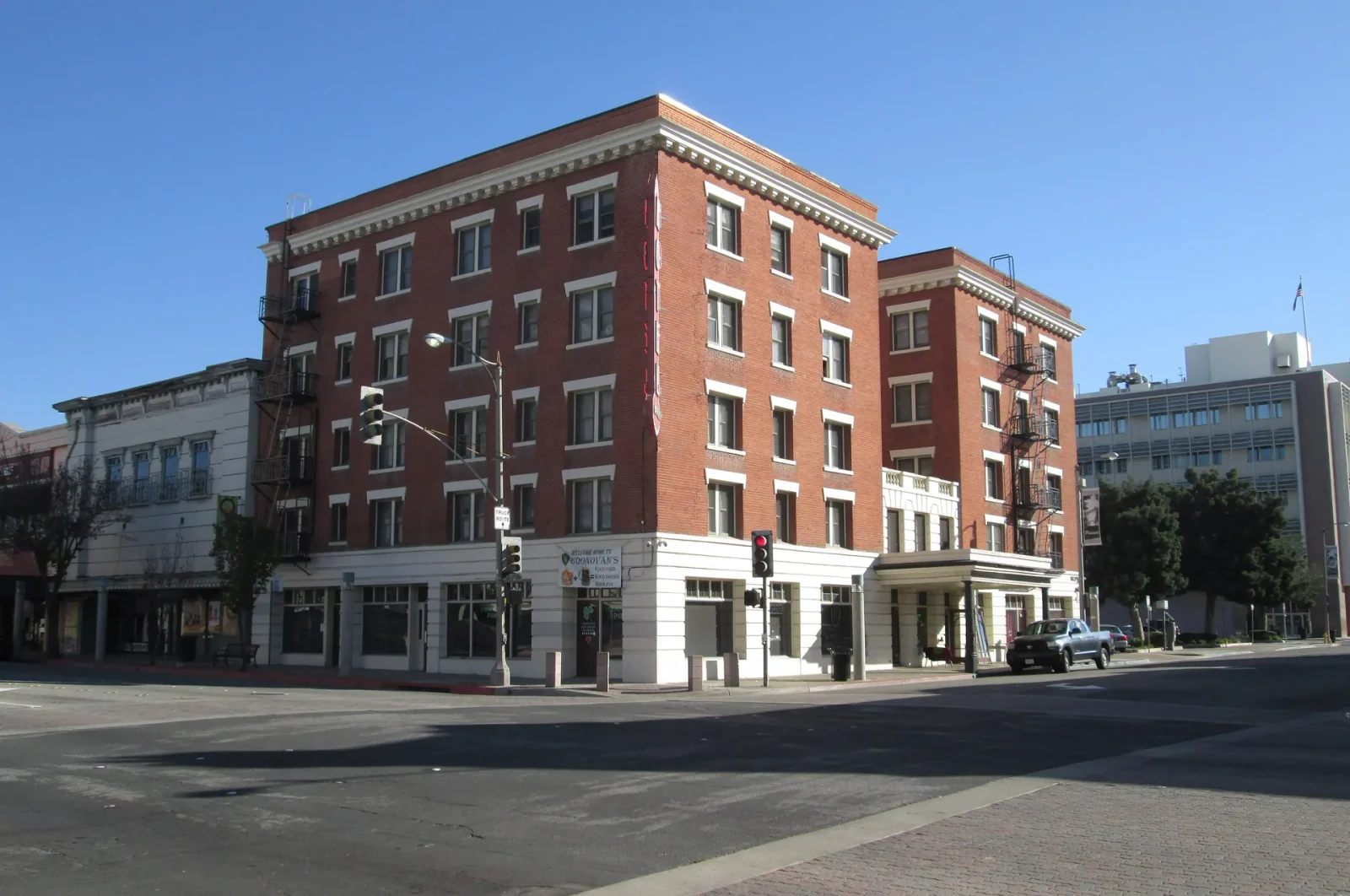
Older neighborhoods call for a closer look
Pomona identifies Lincoln Park, Wilton Heights, and Hacienda Park among its historic residential districts. Those names provide useful local context, but a home's age doesn't reveal which lock is installed today. Hardware may have been retained, repaired, or changed several times. Describe the actual entrance rather than assuming the original mechanism is still there.
If preserving the appearance matters to you, mention that at the start. A photograph of the inside and outside hardware can help explain the request when a suitable way to share it is available. The inspection still needs to establish condition, fit, and compatibility before a repair or rekey can be recommended.
Keep the hardware, change who can use it
Rekeying changes a compatible lock's internal key arrangement so the previous key no longer operates it. It may suit a move, a lost key, or a change in authorized occupants when the existing hardware remains sound. It does not make a worn latch new or correct a door that no longer meets its frame properly.
Think through every entrance covered by the access change. A front deadbolt and a side-door knob may currently use separate keys. Ask whether a common key arrangement is compatible with the hardware you have, and which locks are included in the proposal. Matching the appearance of two locks doesn't prove that they accept the same key system.
A sticky lock might be a door problem
When a key turns normally with the door open but binds when the door is closed, the latch or bolt may be meeting resistance at the frame. That observation is useful to report; it is not a diagnosis by itself. Other wear or damage may be involved, and the complete entrance needs checking.
Avoid repeatedly forcing the key or pulling hard on a handle to make the lock work. Describe whether the door needs pushing, lifting, or pulling before it will secure. A repair discussion should explain the source of the resistance and which component needs attention, rather than jumping directly to a replacement cylinder.
Getting inside without deciding everything at once
During a home lockout, restoring authorized access is the immediate need. Explain whether the key is inside, missing, or broken, and whether another authorized entrance is available. Ask what opening method is being proposed and whether it is expected to affect existing hardware. No method should be assumed suitable from a telephone description alone.
Once access is restored, a separate decision may be needed about missing keys or damaged parts. Ask for that scope and cost to be explained before agreeing. Keeping the opening work and any longer-term access changes distinct makes the choices easier to understand, especially when you are arranging help under pressure.
Plan around the entrance you actually use
Give the exact Pomona address, including the unit and intended entrance. A district name is helpful context, but it is not a meeting location. For a rental or shared property, identify who can authorize changes and whether other occupants need continued access. Don't assume a tenant can change a common entry lock independently.
Our residential locksmith page covers practical questions about rekeying and home lock repair. Before your appointment is considered complete, use the agreed key yourself, close the door normally, and check the serviced latch or bolt. The result should match both the access plan and the way the entrance is used.