
Keep the existing door at the center of the discussion
A garage door includes more than its visible panels. Springs help balance its weight, cables and related hardware support movement, and the opener provides controlled travel. A fault in one area can affect another. The fact that a motor makes noise doesn't, by itself, establish whether the motor or the door mechanism needs repair.
Tell the person arranging service what moves, what stops, and what changed before the problem began. Include the opener brand and model if accessible without reaching into the mechanism. If a lifting cable is damaged or the door is crooked, stop operating it. Don't adjust loaded spring or cable components to test an explanation.
Historic context matters when the scope affects appearance
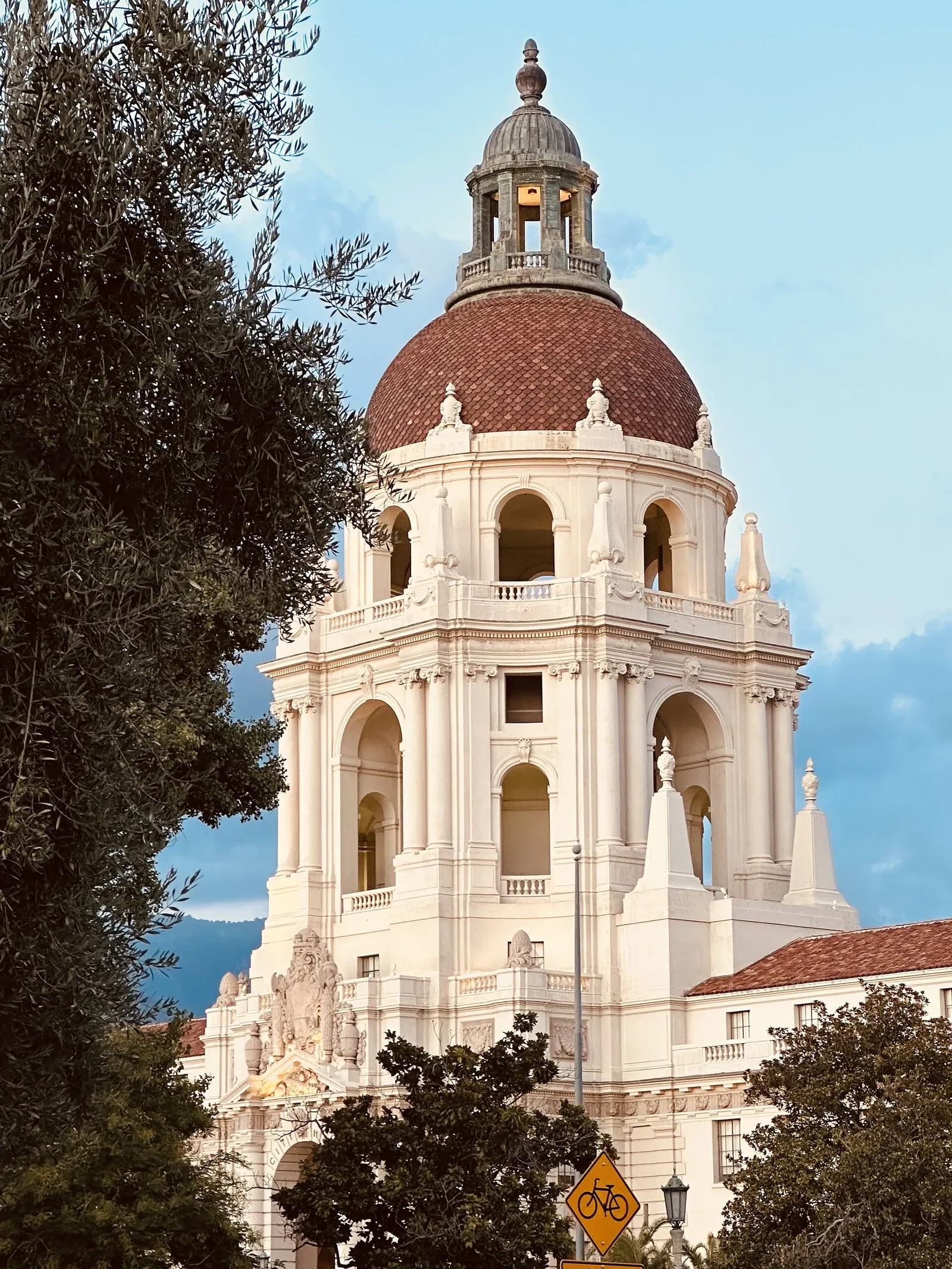
Pasadena has historic properties and landmark districts, and the city describes review processes for certain exterior changes. If your garage is part of a designated property or district, mention that when discussing proposed work. Repairing an existing operating component should be distinguished from changing a visible exterior feature.
The presence of historic surroundings doesn't establish the condition or age of every mechanism inside a garage. Parts may have been changed over time. Ask what the inspection finds and whether the proposed repair affects appearance. Any review question should be checked against the actual property and work, rather than treating every mechanical repair as an exterior alteration.
A spring repair should have an understandable scope
If the spring system is identified as the problem, ask which component has failed and how the proposed replacement matches the existing door. Clarify what labor and related checks are included. The number and type of components depend on the installed arrangement, so a generic spring price may not describe the work your system needs.
Additional recommendations should have their own explanation. A damaged cable or worn related component may affect the repair, but that condition should be identified. Ask which items are necessary for the agreed repair and which are separate choices. This keeps the conversation grounded in the door you have rather than a broad package of replacements.
Closing problems aren't always sensor problems
Photo-eye sensors can prevent closing when their signal is interrupted, but resistance, obstructions, or travel settings can also produce a stopping or reversing door. Describe where the door reverses and whether any indicator light or display changes. Use the opener's model information rather than assuming every blinking signal means the same thing.
Avoid bypassing a protective function to keep a faulty door in use. Ask how the inspection will distinguish a control issue from a mechanical one. The garage door repair information explains these symptom groups and the practical details that help with an initial conversation about the existing system.
Make the visit and handover specific
Give the full Pasadena, California, address and identify the garage entrance. Say whether the door is stuck open or closed, whether another authorized entrance is available, and who can approve the work. Share any property-specific access instructions, and confirm the available service and estimated timing directly during the call.
Before work starts, make sure the scope is clear. At completion, ask for the repaired door and relevant controls to be demonstrated, and keep a record of the components changed. If preserving the existing exterior was important to you, confirm that the work matches that agreement. Any remaining limitation should be explained rather than left for you to discover later.