
Tell us what happens at the door
Does the key catch before it turns, or does it turn while the latch stays put? Does the problem appear only when the door is closed? Those details give an inspection a better starting point than simply saying the lock is broken. Mention whether the fault is constant or comes and goes.
A door that needs lifting or pulling may have a fit problem affecting the latch or bolt. A cylinder can also have its own wear or damage. Don't force the key to prove which part is at fault. Ask the locksmith to explain the observed cause and how the proposed work would restore normal operation at that entrance.
Use local roads to clarify, then give the address
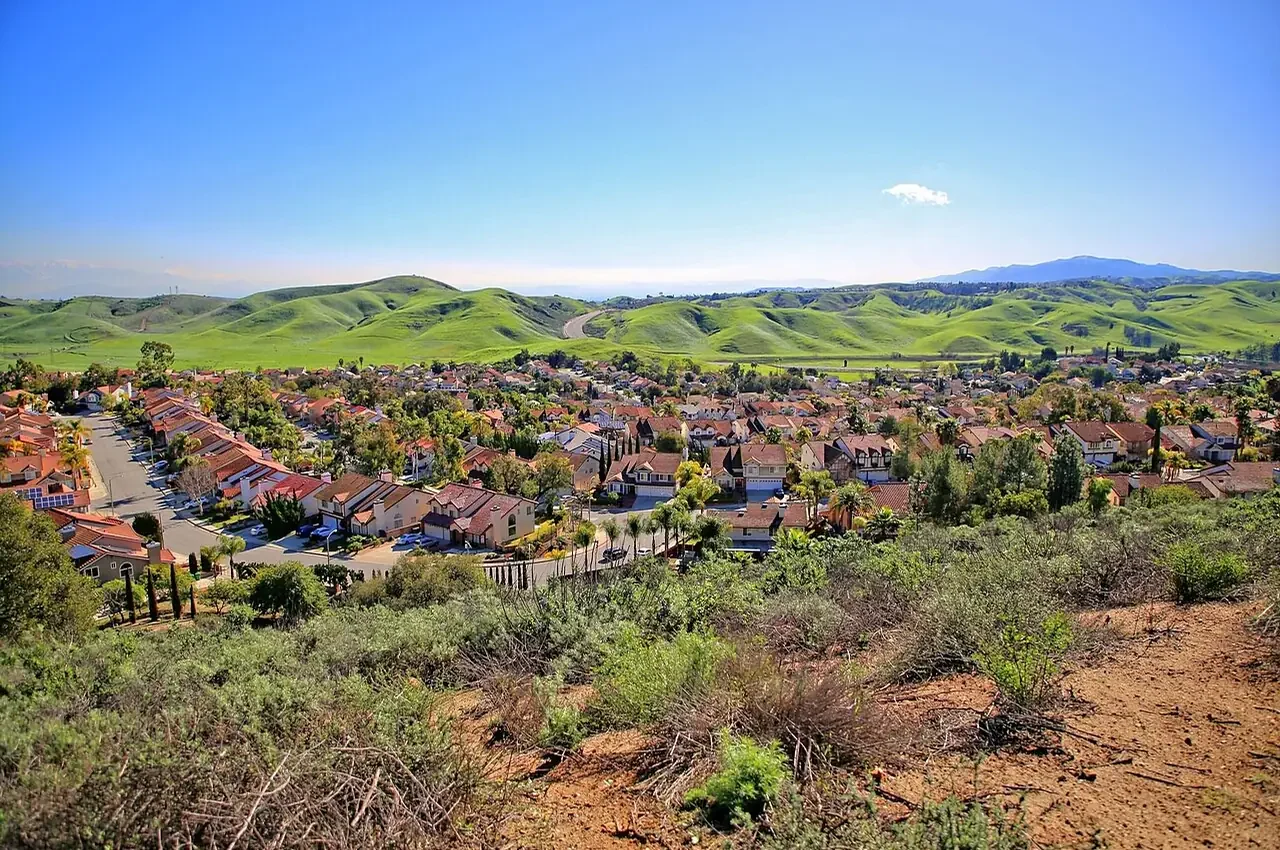
Diamond Bar's roadway information identifies residential streets south of Pathfinder Road on both sides of Diamond Bar Boulevard and State Route 57. Golden Springs Drive and Grand Avenue also provide useful orientation. These references help establish the area, but the exact street address and intended entrance are still needed to arrange a visit.
A property's individual access arrangements matter more than assumptions about the neighborhood. If yours has a gate, shared driveway, or managed entrance, explain the relevant instructions and who will meet the technician. These features should never be assumed for every Diamond Bar home. Confirm current timing directly; a location description isn't a travel-time promise.
Changing access is a separate choice
If you've recently moved or a key is missing, you may want old keys to stop working even when the door itself operates smoothly. Rekeying can change the internal key arrangement of compatible hardware without replacing the entire handle. It is an access change, rather than a cure for a latch or alignment fault.
Before scheduling, identify the exterior locks included and whether you'd like them to share a key where compatible. Explain any existing arrangement controlled by an owner or manager. If one door already needs repair, ask for that item to be distinguished from the rekeying so the estimate explains what each part of the work accomplishes.
Keep decisions about hardware specific
A replacement can be appropriate when a component is damaged or unsuitable, but ask which component and why. You may not need to change a complete matching set because one part has failed. Conversely, retaining a finish you like should not distract from whether the mechanism is sound and fits the entrance.
If you have a preferred appearance or need an easier-to-use handle, mention that early. The home locksmith information covers the practical differences between repair and replacement. Ask about the effect on the existing door and whether the proposed hardware works with the key arrangement you want elsewhere in the home.
If the problem is urgent
A lockout needs an exact address, an affected entrance, and a clear account of where the key is. Tell the person arranging service whether another authorized person has access and can meet you. Have evidence of your authority to enter available. Ask about the proposed opening and confirm what the estimate includes before work begins.
For a vehicle rather than a property, switch to the relevant details: year, make, model, key type, and actual parking location. A locked-in key and a missing electronic fob are different requests. Vehicle compatibility, available service, and timing need to be confirmed directly rather than inferred from the fact that you are in Diamond Bar.