
Coordinate the visit around the right entrance
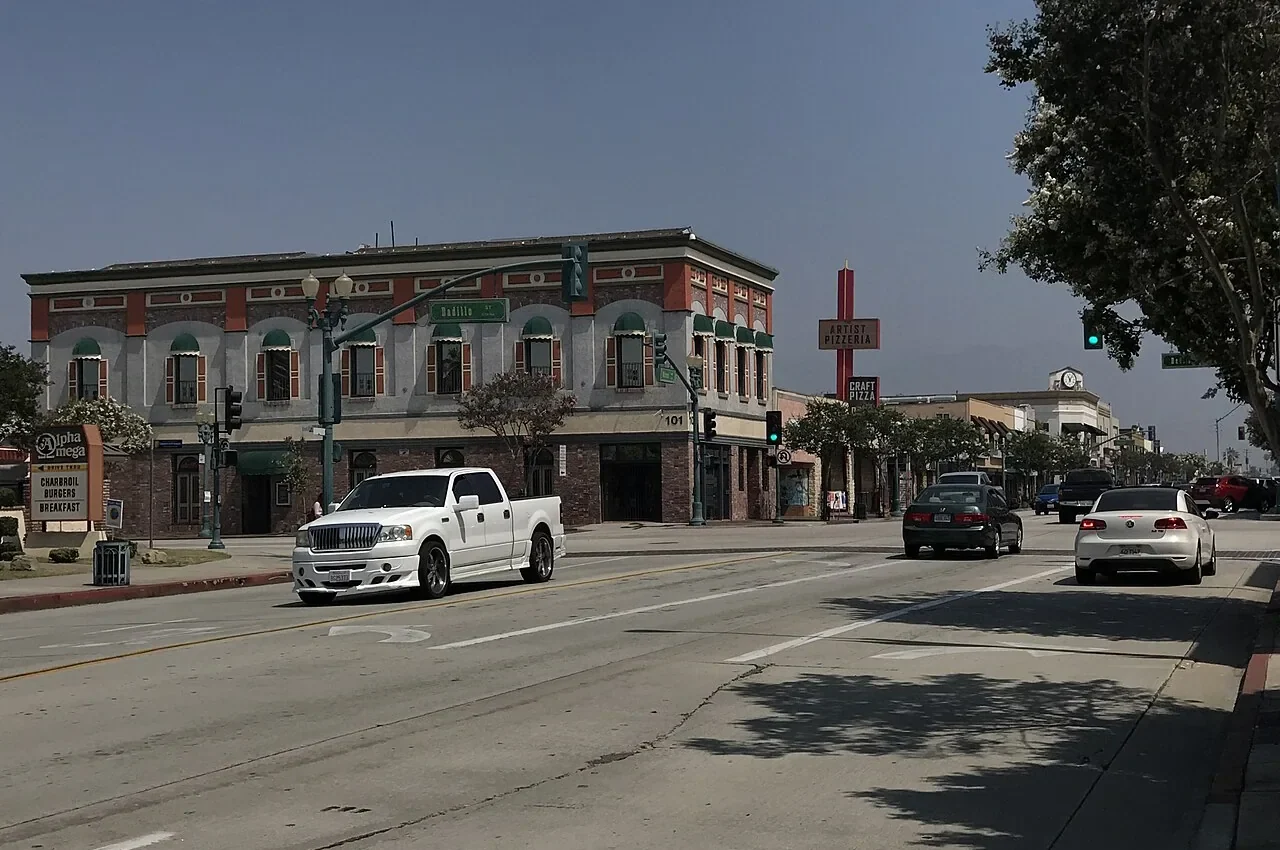
The city describes the Citrus Avenue District as Covina's historic downtown core, bringing businesses, housing, and transportation connections together. In that setting, the main street address and the door used by a tenant or employee may not be the same meeting point. Give the business or property name along with the relevant entrance.
Specify Covina when you call, especially if your directions mention a nearby city. Covina and West Covina are different locations. Include a unit number and a useful cross street, then explain whether the problem is at a storefront, a residential entrance, or a door reached from a parking area. These details reduce ambiguity without relying on a landmark alone.
Explain the last normal use of the lock
A key that worked yesterday but now stops halfway is different from a key that has been missing since a move. Tell the locksmith when the problem began and what happened the last time the entrance worked normally. Mention a loose handle, a latch that catches, or a door that needs pressure to close.
Those observations help frame the inspection, but they don't establish a diagnosis over the phone. A key, cylinder, latch, or door alignment problem can produce overlapping symptoms. Avoid forcing the key or trying several improvised fixes before someone has checked the mechanism. Ask how the proposed repair relates to the behavior you've described.
Rekeying after a change in occupancy
For a home or privately controlled business entrance, rekeying can change which key works while retaining compatible hardware. It is worth discussing when you want earlier keys to stop operating a lock that is otherwise functioning properly. It is not a repair for a damaged latch or a door that no longer closes correctly.
Before arranging the work, list the entrances you need included and establish who can approve the changes. A rented unit may have shared access controlled by a manager or owner. If you want several doors to use one key, ask whether the existing hardware supports that arrangement rather than assuming every lock can be matched.
A shop door deserves a practical access plan
A customer entrance and an employee door can have different patterns of use. Explain whether the lock problem prevents opening the business, securing it afterward, or accessing a back room. Include the person who can decide which staff should receive continued access and which doors should be part of the work.
If the entrance remains in use during a visit, discuss that in advance. An alternative route may need the property manager's involvement. The business locksmith information helps separate a physical door fault from a change in employee access. Keeping those decisions distinct makes the work and the estimate easier to understand.
For a vehicle, start with its position and key type
A car parked near a business may be in a public space, a private lot, or a different entrance area than the storefront suggests. Give its actual location, a recognizable description, and any known access instructions. Say whether the key is locked inside, lost, or present but unable to start the vehicle.
Provide the year, make, and model before discussing replacement keys or programming. A similar-looking remote isn't proof of compatibility. Ask what information is needed to confirm support for your vehicle and have evidence of authorized access available. The service available, estimated timing, and scope should be confirmed for that specific call in Covina.